© Alb-Donau-Kreis Tourismus
UNESCO World Heritage Sites in Southwest Germany
Seven Great Milestones
26.8.20267 min. read timeby Hirsch & Greif
In Baden-Württemberg, you can experience 40,000 years of human history. We travel to the 7 UNESCO World Heritage Sites from the Stone Age to the modern age.
An overview of seven UNESCO World Heritage Sites
A Journey through 40,000 Years of Human History
Southwest Germany, the German federal state of Baden-Württemberg, is rich in cultural monuments. In fact, seven of Germany’s 50 or so UNESCO World Heritage Sites are between Lake Constance in the south and northern Baden-Württemberg. They span some 40,000 years, from caves with the oldest Ice Age art to Stuttgart’s modernist houses designed by architect Le Corbusier. In between are recreations of lakeside Stone Age pile dwellings and the Limes, which marked the border of the Roman Empire, plus medieval monasteries and the spa culture in Baden-Baden.
1# Caves and Ice Age Art from the Swabian Alb
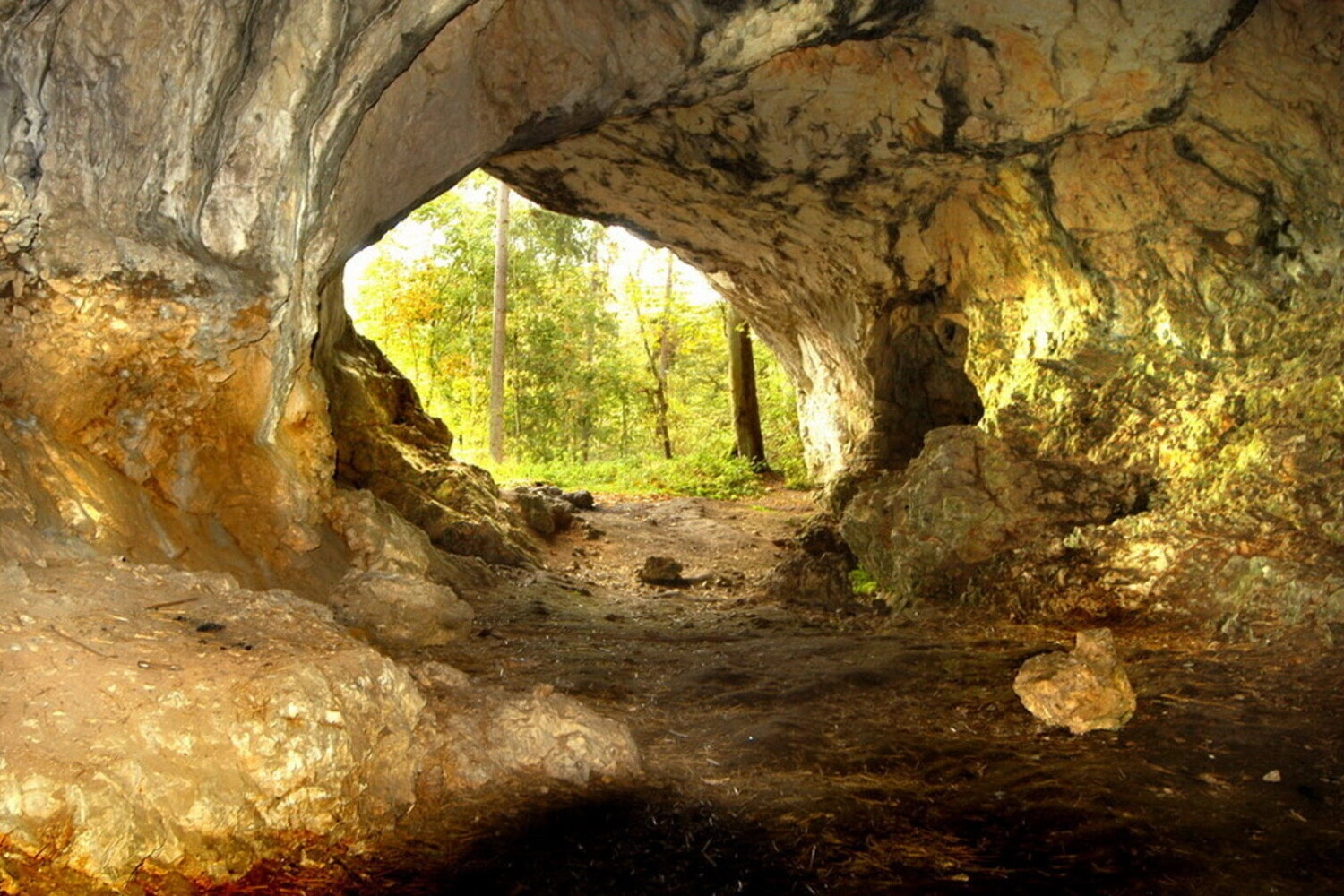
Discoveries from the Ice Age
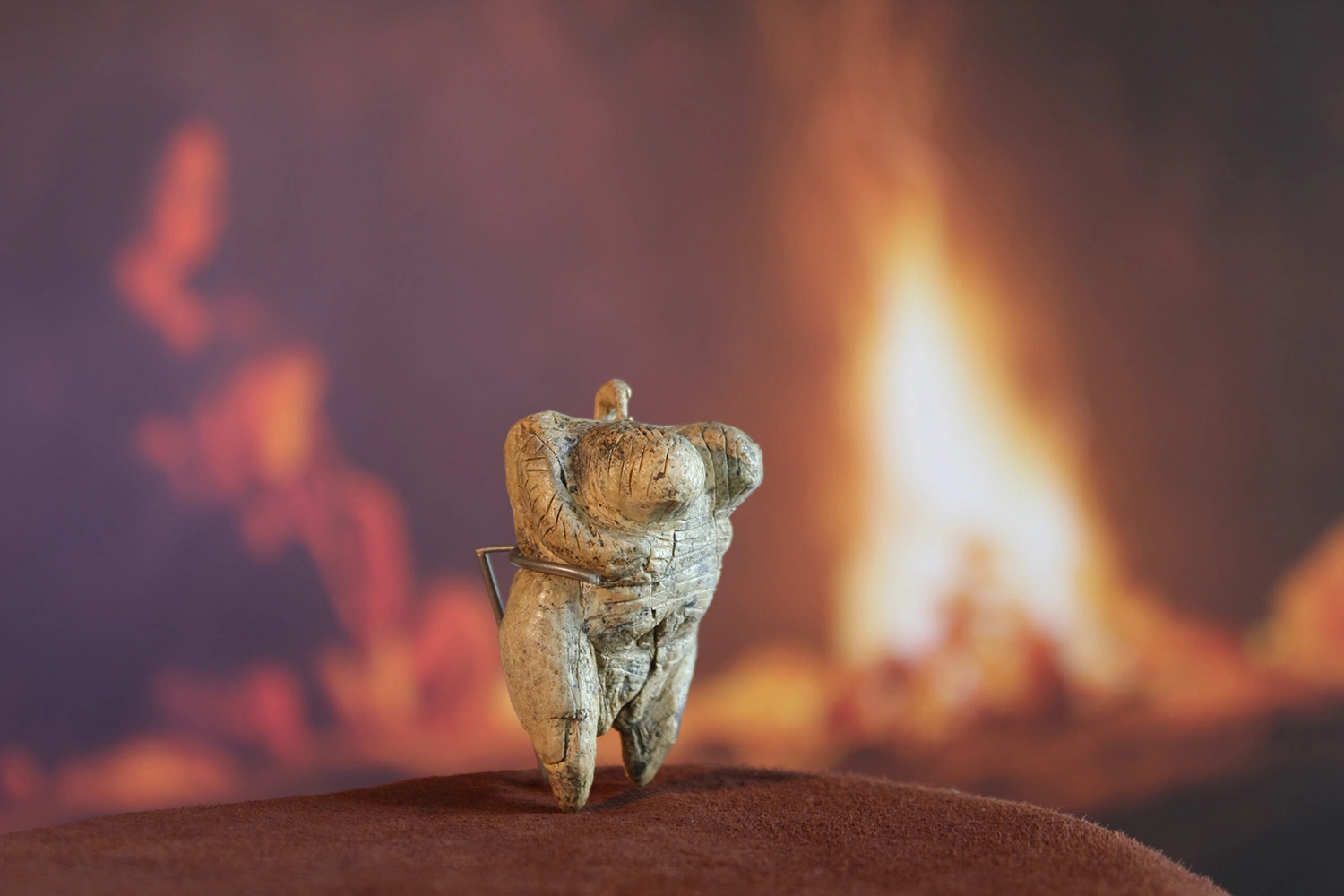
In 2017, six limestone caves in the Lone Valley and the Ach Valley were designated as World Heritage Sites. Why? Because of the astonishing artworks created by the people who lived there some 35,000 to 40,000 years ago. Unearthed after decades of research by archaeologists, these treasures include around 50 small sculptures. Made of mammoth ivory, they are among the world’s oldest examples of figurative art. Also discovered were eight flutes carved from bone, which are some of the world's oldest musical instruments. These fascinating Ice Age artefacts are exhibited in various museums in SouthWest Germany. Ninety minutes southeast of Stuttgart, the Blaubeuren Museum of Prehistory is home to the so-called "Venus from the Hohle Fels". The University of Tübingen museum showcases the 40,000-year-old Vogelherd horse, found in the Vogelherd cave, which is part of the Archäopark in Niederstotzingen. And in Stuttgart, the state museum (Landesmuseum Württemberg) houses a little lion's head, also from the Vogelherd cave, as well as a mammoth figure and a bone flute from the Geissenklösterle archaeological site, near Blaubeuren.
UNESCO World Heritage: Caves and Ice Age Art in the Swabian Alb
© Schwäbische Alb Tourismus, Foto: Günther Bayerl
© Geschäftsstelle Weltkultursprung

© Museum Ulm
2# Reichenau Island at Lake Constance
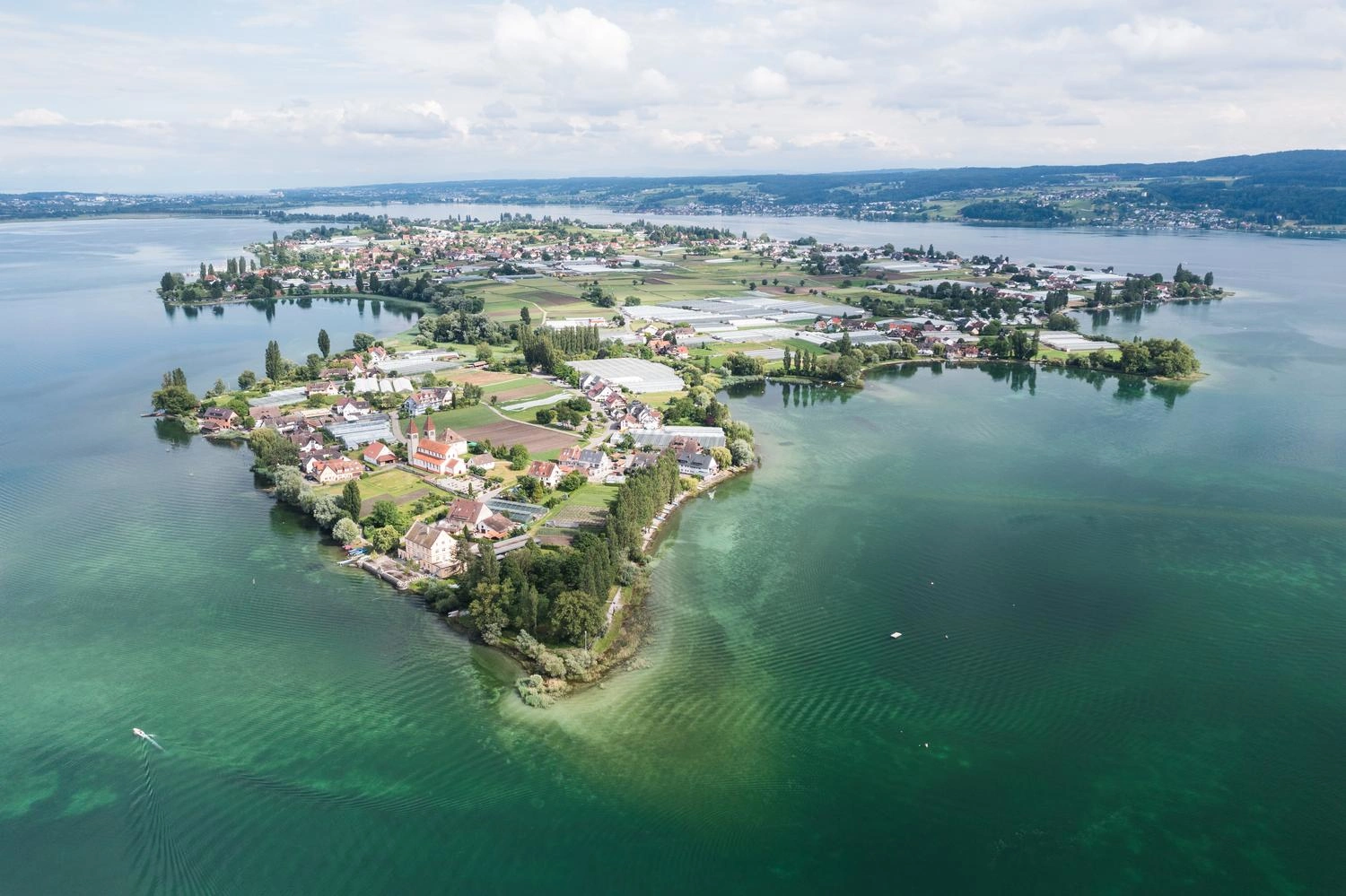
The Devout Island
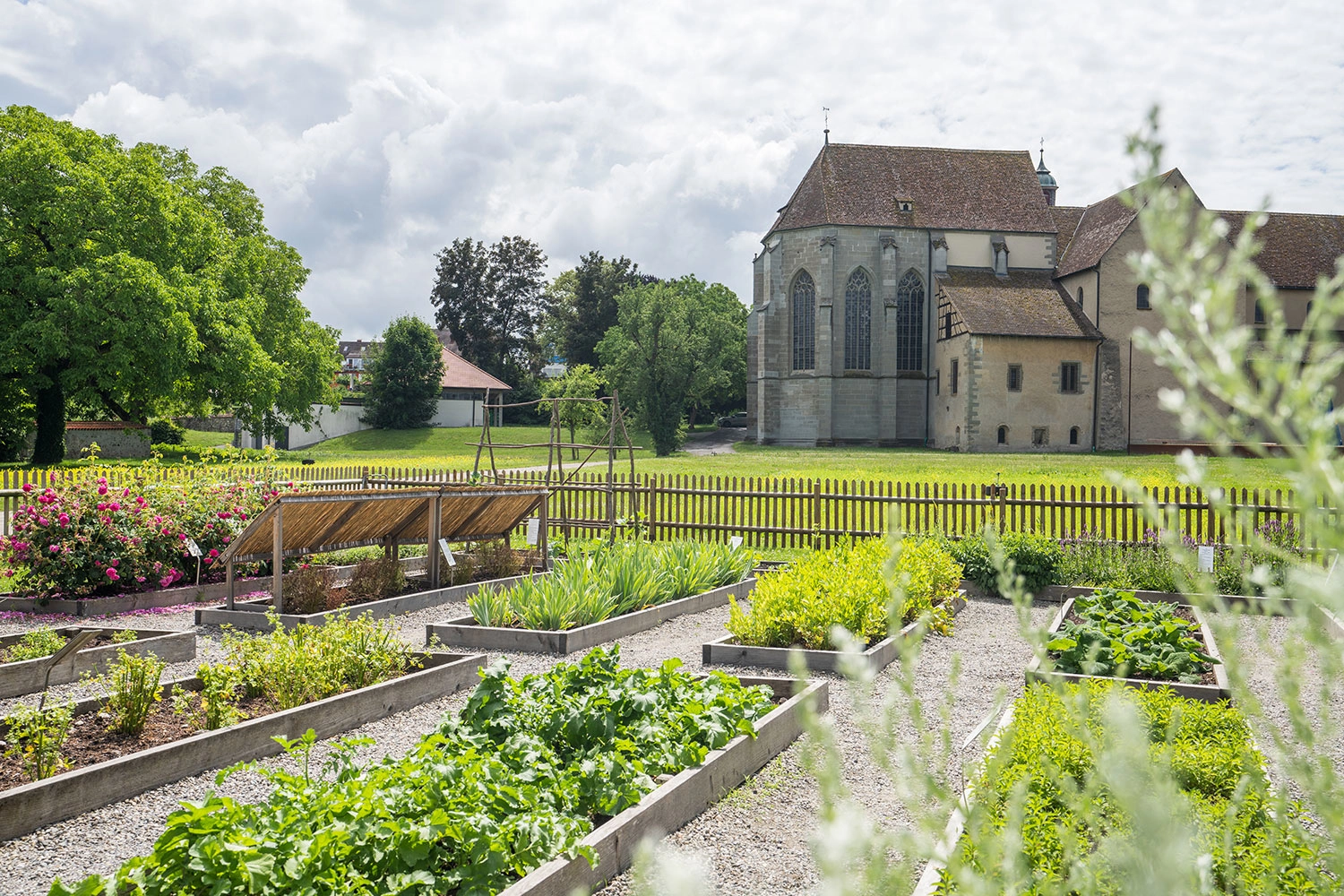
After the Roman era, Christianity spread across Western Europe. At the western end of Lake Constance, the island of Reichenau has insights into the early Middle Ages and the everyday life of Benedictine monks. Notable are three churches dating from the 9th to the 11th centuries: the atmospheric abbey church of St Mary and St Mark in Mittelzell, the church of St Peter and St Paul in Niederzell, and St George’s Church in Oberzell, with its well-preserved 1,000-year-old murals. Taken together, they are like a time machine. As for the Reichenau Museum, this provides an overview of the art and cultural history of this very special monastery island that was listed by UNESCO in 2000.www.reichenau-tourismus.de | www.bodensee.eu/en
© TMBW, Foto: Oliver Raatz

© TMBW, Foto: Oliver Raatz
© TMBW, Foto: Oliver Raatz
3# Maulbronn Monastery
Entirely Unchanged
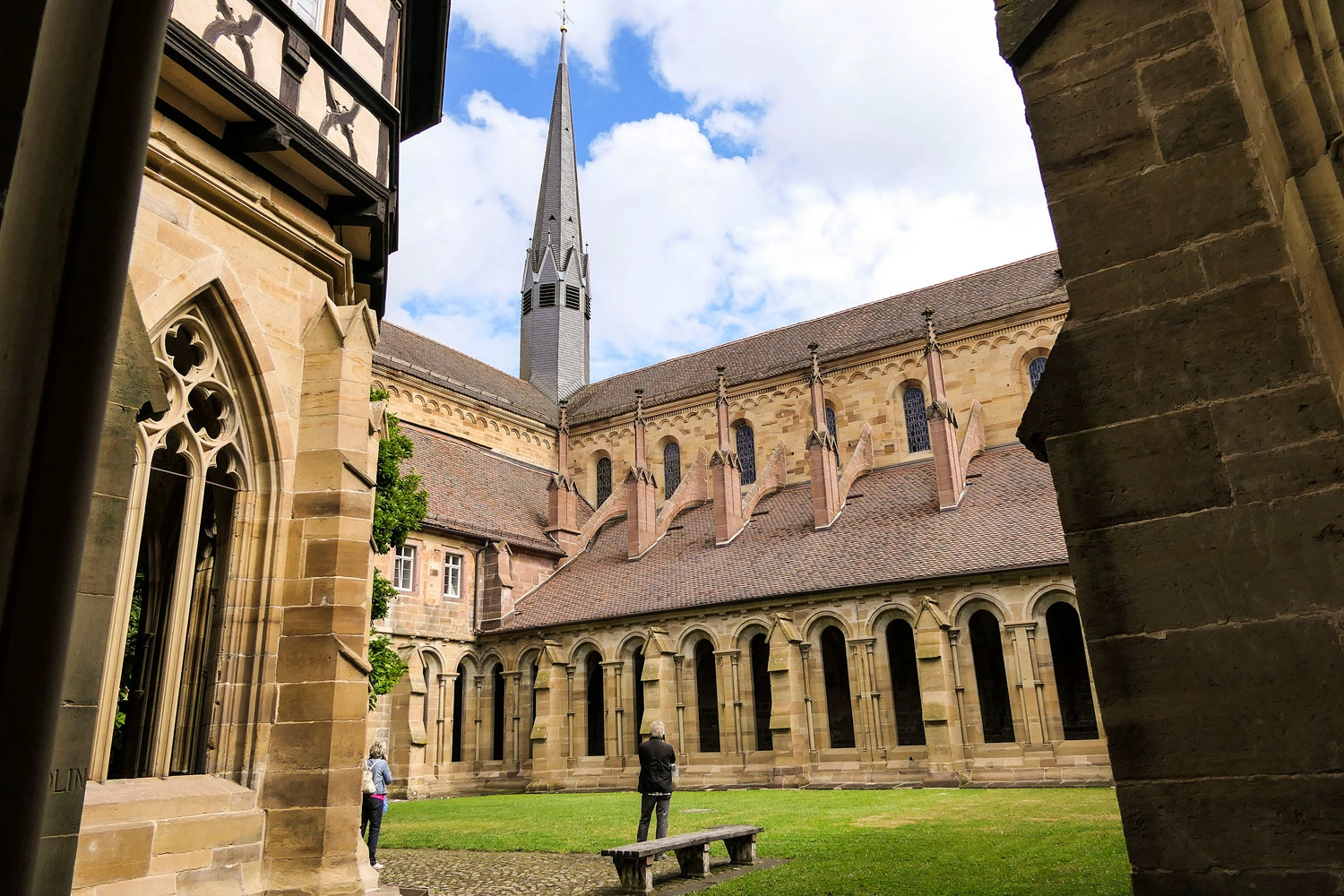
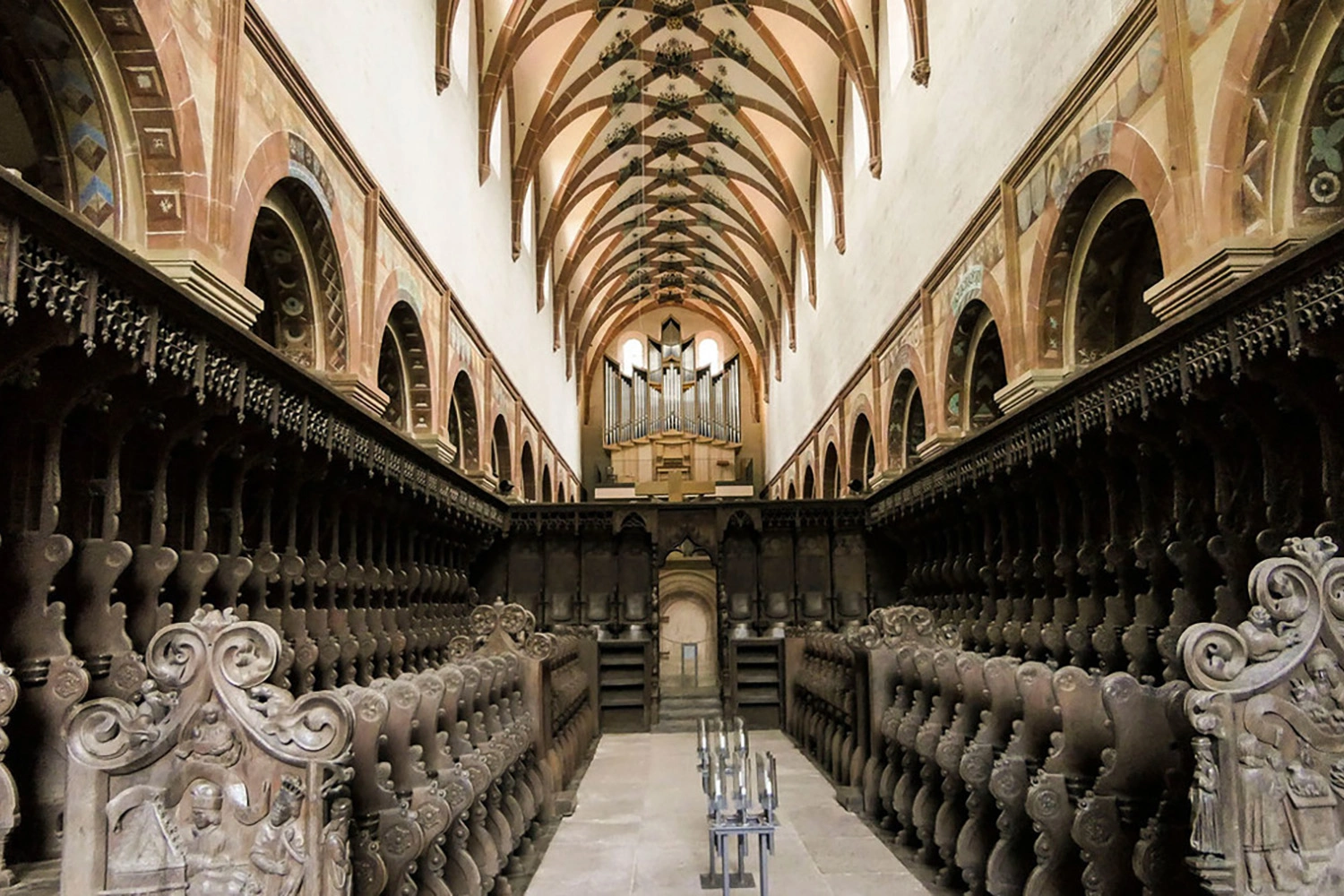
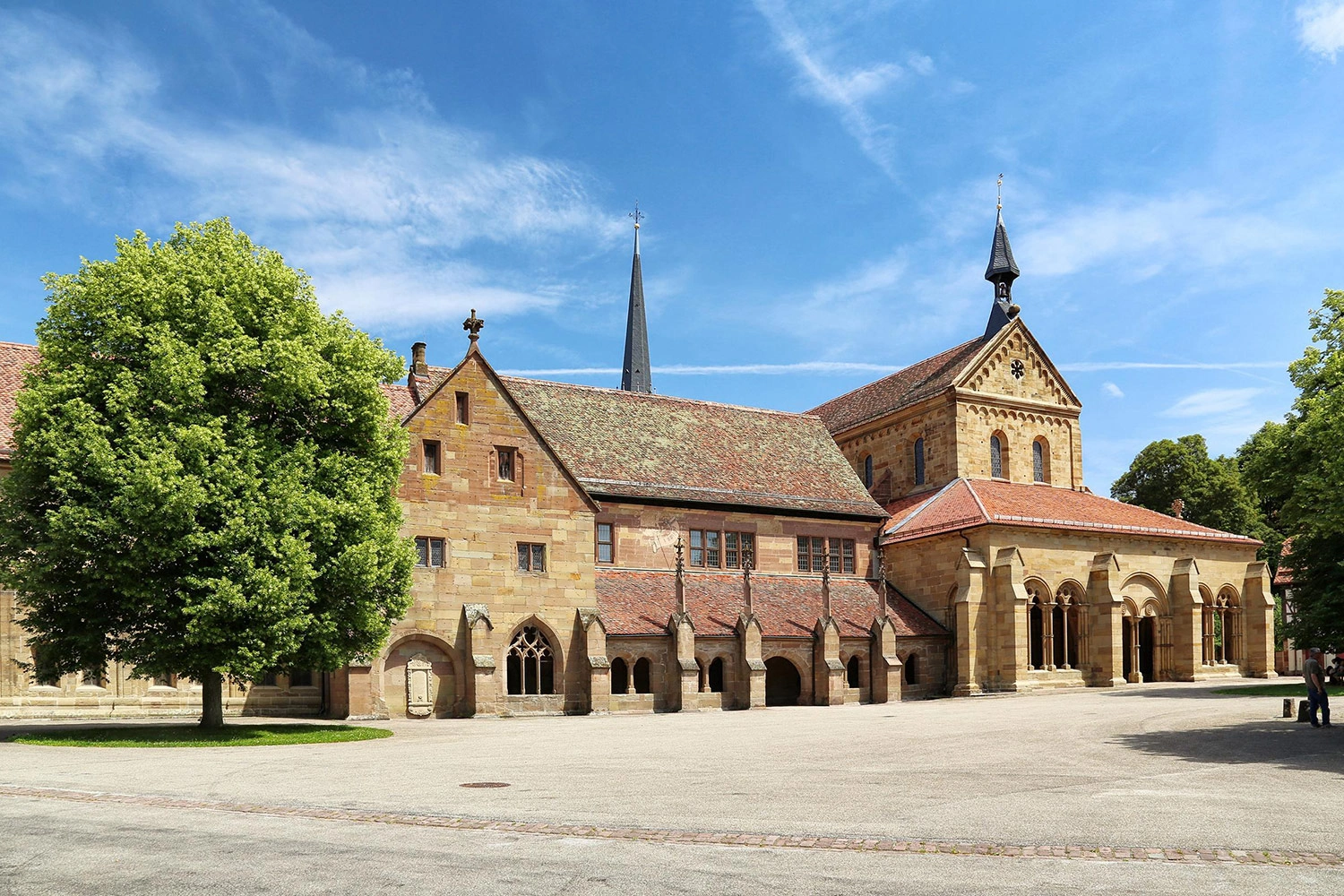
One hour northwest of Stuttgart, the Cistercian monastery of Maulbronn, founded in 1147, is considered to be one of the most complete and best-preserved medieval monastery complexes north of the Alps and provides rare insights into monastic life in the Middle Ages. No wonder it has been on UNESCO’s World Heritage List since 1993 and is often used as the backdrop for historical films. Although the monks left after the Reformation, the buildings were not left empty. A school and seminary were set up, and famous graduates include Johannes Kepler and Nobel Prize winning author Hermann Hesse. The school still exists with girls as well as boys; the monastery is open to all.www.kloster-maulbronn.de/en | www.kraichgau-stromberg.de
© TMBW, Foto: Joachim Negwer
© TMBW, Foto: Joachim Negwer
© Staatliche Schlösser und Gärten Baden-Württemberg, Foto: Günther Bayerl
4# Weissenhof Estate in Stuttgart
Le Corbusier's Houses - An Architectural Revolution
In the 1920s, modern architecture was sweeping across Europe. And Stuttgart was one of the centres of avant-garde design. On a walk through the Weissenhof Estate (Weissenhofsiedlung) on the Killesberg hill, it is easy to see how the leading architects of the modern era changed the way we live. Built in 1927 as part of a national exhibition, the houses were examples of new ideas and new technology. Of the original 33 houses, 22 still stand and several are still homes. A century later, houses designed by Mies van der Rohe and Hans Scharoun look remarkably contemporary. Since 2016, two of Le Corbusier’s homes have been a UNESCO World Heritage Site. One has as an exhibition about the history of the estate; the other recreates what Le Corbusier called a “transformable dwelling”. Together they make up the Weissenhof Museum, a fascinating way to understand how the early 20th century viewed the future.www.weissenhofmuseum.de/en/ | www.stuttgart-tourist.de/en

© Weissenhofmuseum, Foto: Brigida Gonzalez

© TMBW, Foto: Gregor Lengler
5# Prehistoric Pile Dwellings at Lake Constanc
The Lives of our Ancestors
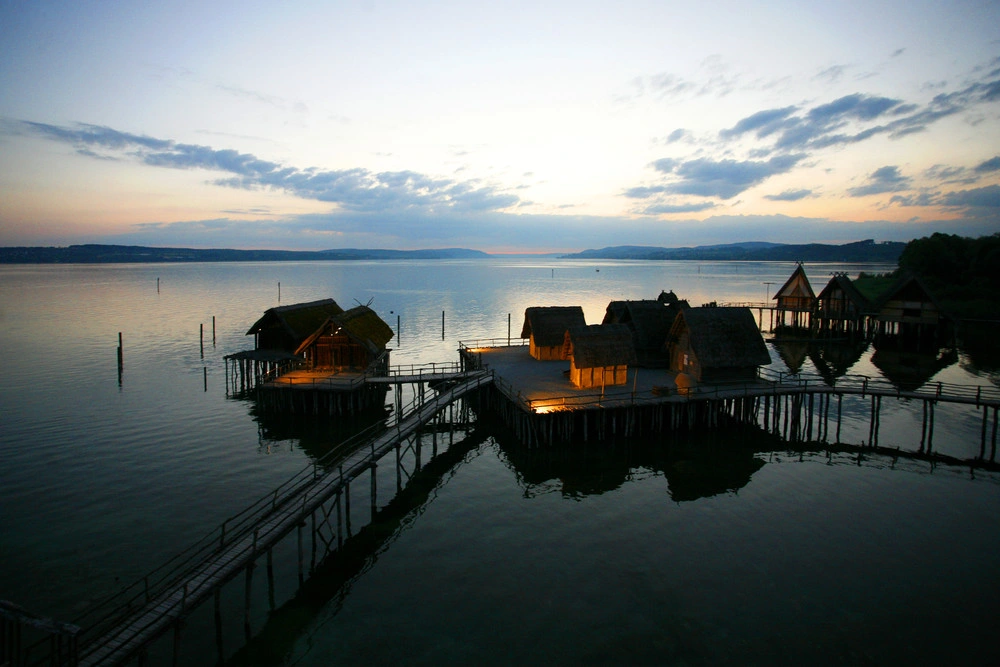
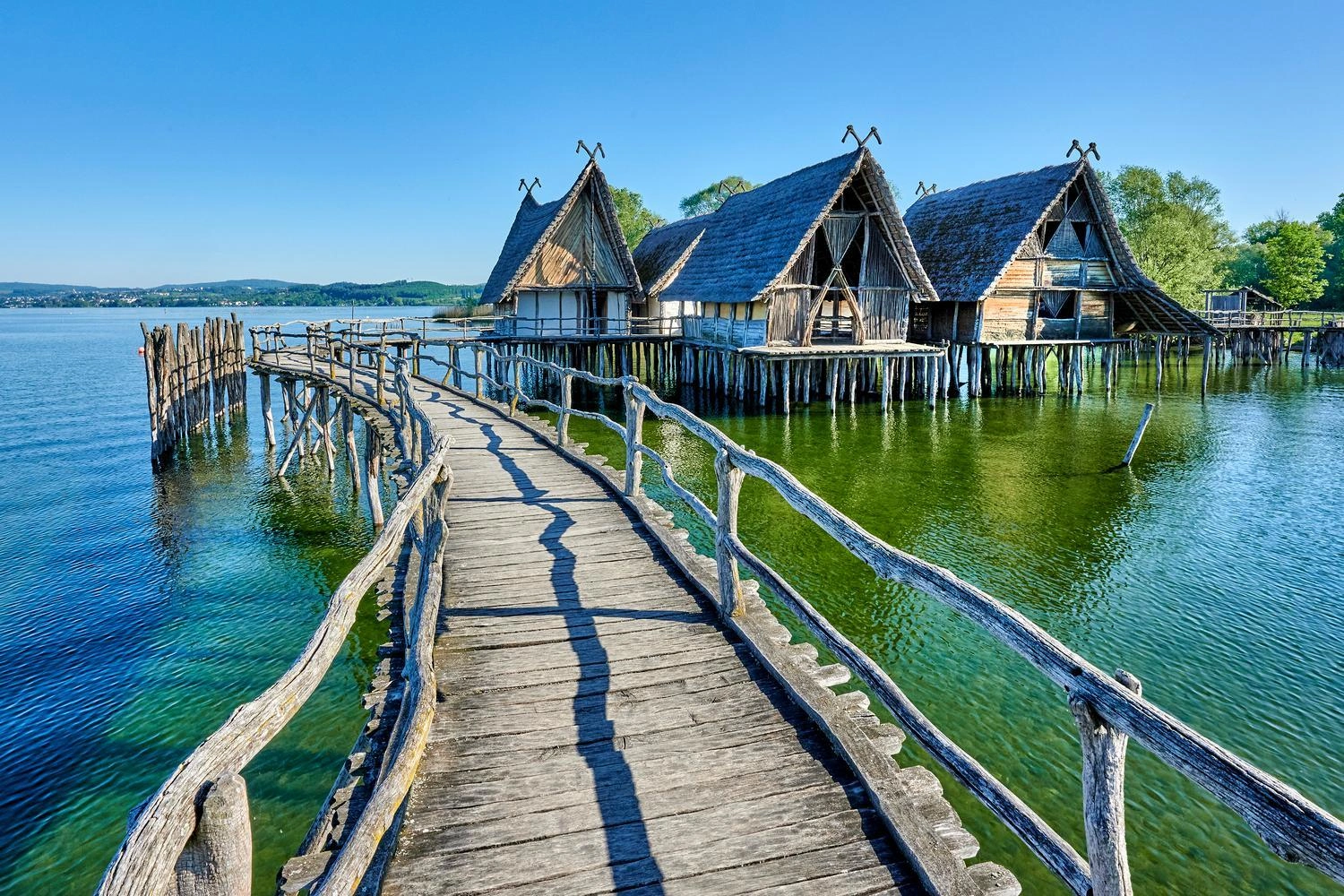
The Pile Dwelling Museum (Pfahlbaumuseum) in Unteruhldingen at Lake Constance is one of the best living history museums dedicated to the Stone Age. It recreates the life of the Neolithic hunter-gatherers, whose homes were on wooden piles, over water on the edge of lakes. Among the important finds are the oldest wheels in Europe as well as the oldest textiles in Europe, which date from around 3000 BC. Dugouts, wheels and carts provide important insights into trade and mobility in early settlement communities. In 2011, the pile dwellings at Lake Constance were among the Stone Age pile dwelling settlements in six Alpine countries that were listed as UNESCO World Heritage Sites. www.pfahlbauten.de/en | www.bodensee.eu/enNearby, in Upper Swabia, there are more well-preserved traces of pile dwellings at Federsee lake. In Bad Buchau, the Federsee Museum has archaeological finds and 12 reconstructed houses from the Stone and Bronze Ages. Visitors can take a guided tour and watch archaeologists at work during the excavation season (July to September).www.federseemuseum.de| www.oberschwaben-tourismus.de/en
© TMBW, Foto: Achim Mende
© DTB, Foto: Florian Trykowski

© DTB, Foto: Florian Trykowski
6# The Upper German-Raetian Limes
Frontiers of the Roman Empire
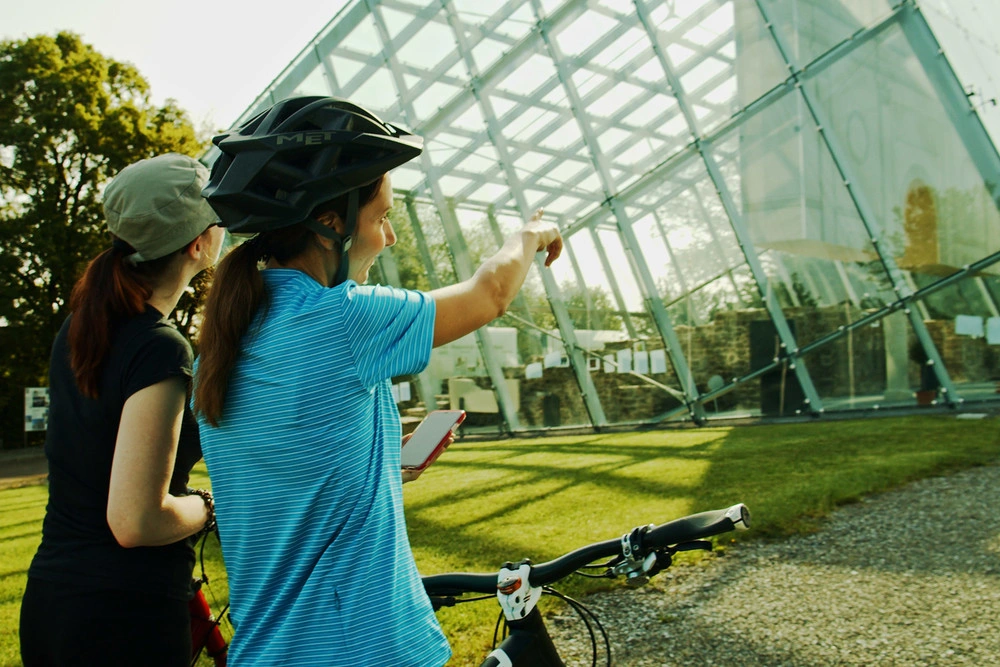
The Roman Empire is one of the greatest empires that ever existed. The Upper Germanic-Raetian Limes is part of the Roman border fortifications with castles, watchtowers, walls and palisades with which the former world power demarcated its empire from free Germania. Back in 2005, Britain’s Hadrian's Wall and Southwest Germany’s Limes were added to the UNESCO World Heritage lists. Ninety minutes east of Stuttgart, the former border of the Roman Empire runs for 164 km / 100 miles through Baden-Württemberg. This is Europe’s largest archaeological monument, and it passes through the wooded landscapes of the Neckartal-Odenwald nature park, the Swabian-Franconian Forest nature park and the Hohenlohe region. Follow the border on foot or by bike on the well-marked Limes Cycle Path. For information on the numerous reconstructions and museums, stop at the Limes Information Centre in Aalen.www.limesstrasse.de/en

© Verein Deutsche Limes-Straße, Foto: Michael Schneid

© Verein Deutsche Limes-Straße, Foto: Erik Dobat
© Verein Deutsche Limes-Straße, Foto: Erik Dobat
7# Baden-Baden: One of Europe's Great Spa Towns
The Source of Well-Being
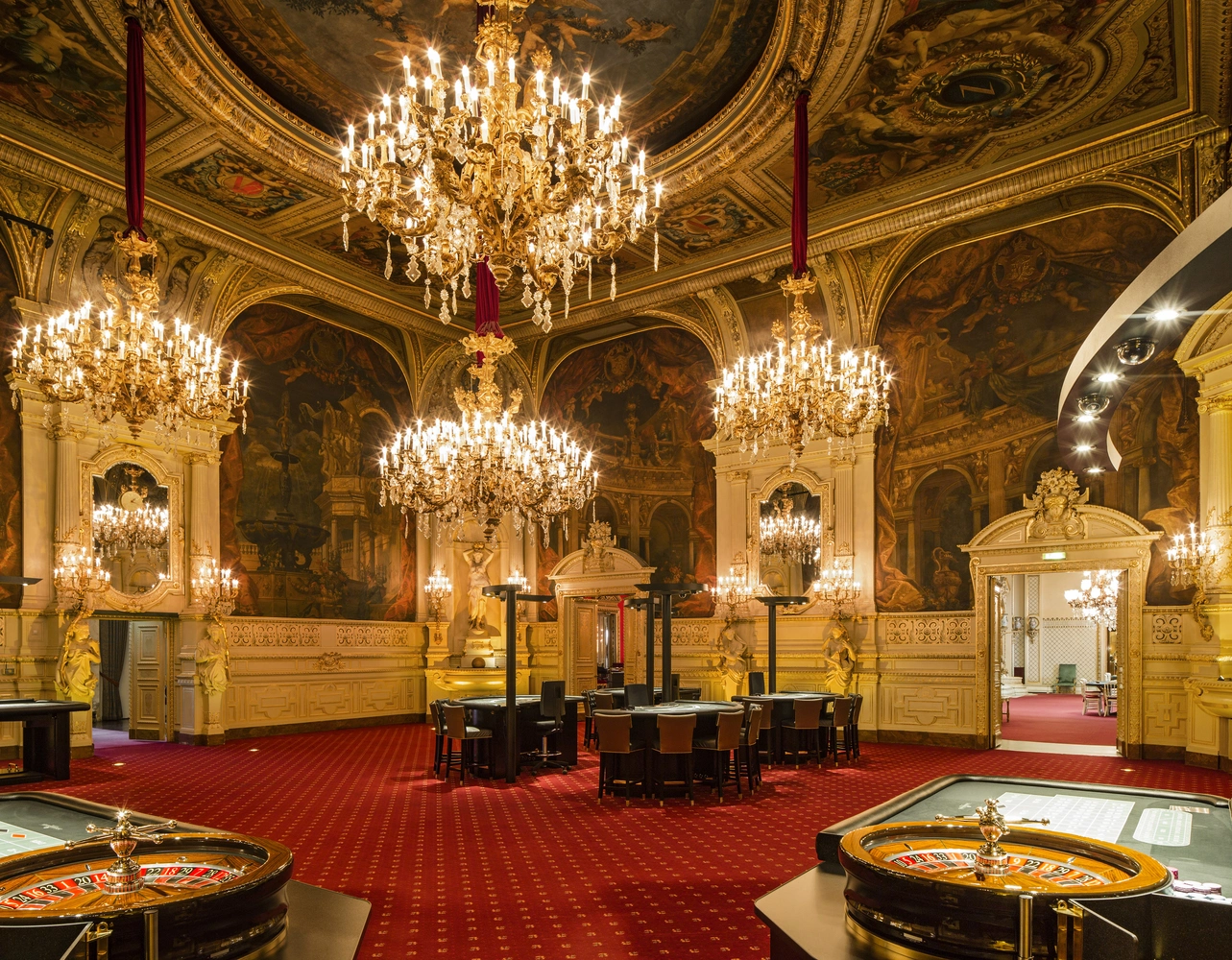
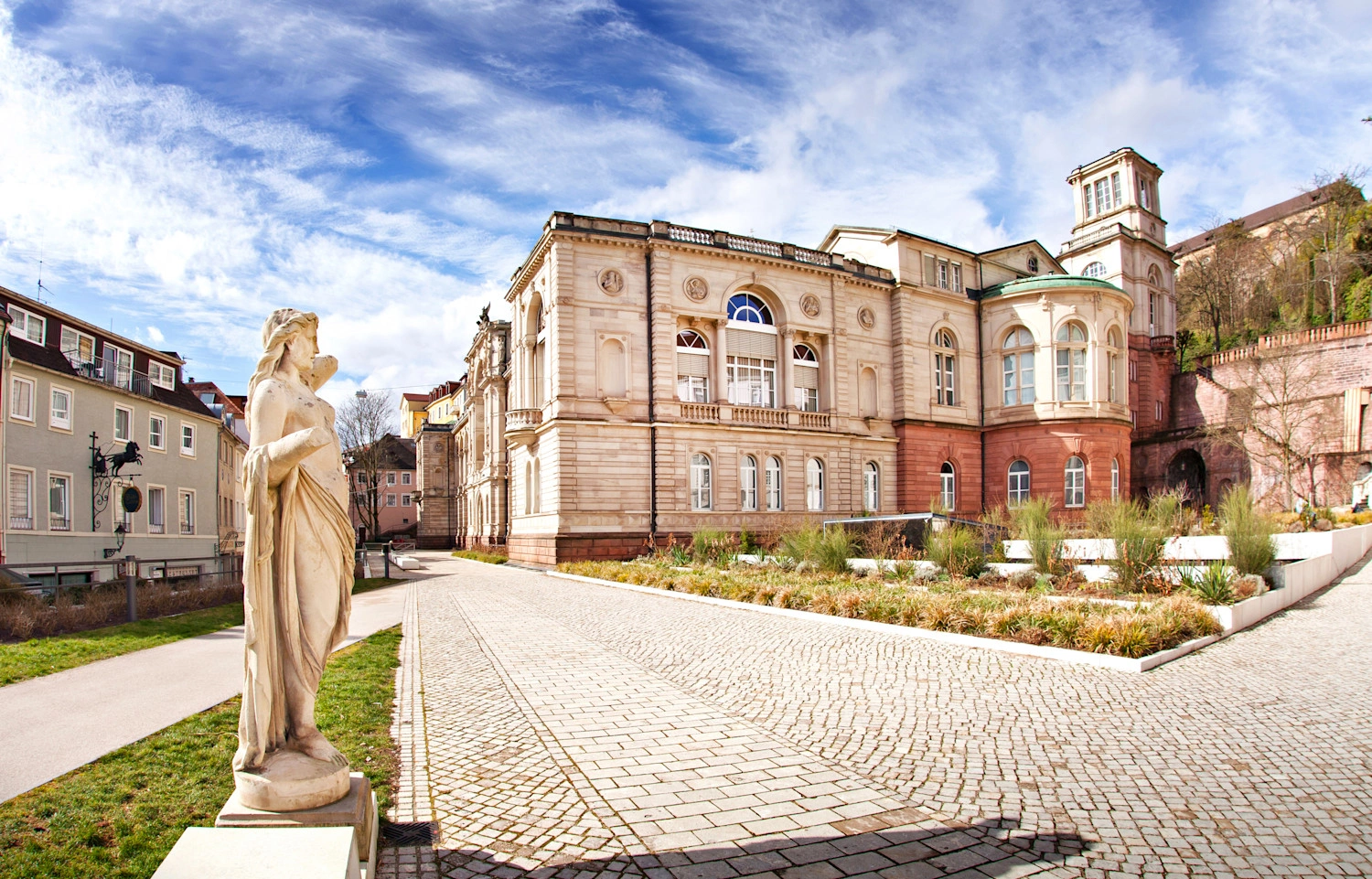
Between 1700 and the 1930s, spa towns were the places to see and be seen in Europe. And two hours west of Stuttgart, Baden-Baden was one of the prime destinations for the European aristocracy. But its spa tradition began in Roman times, when the city's 12 thermal springs provided both medical cures and relaxation. In the 18th century, the town developed into a sophisticated resort, offering both spa treatments and culture. This tradition continues, from the elegant Kurhaus and its casino to the magnificent Friedrichsbad spa, and from the riverside gardens to art museums and a grand concert hall. In 2021, UNESCO named Baden-Baden as a World Heritage Site, as one of the Great Spa Towns of Europe. This group designation recognizes the historic and cultural importance of 11 towns in seven countries. As for the unique spa experience, that continues to thrive, with traditional and modern treatments, which are open to all.
Discover Baden-Baden
© TMBW, Foto: Christoph Düpper
© Baden-Baden Kur & Tourismus GmbH
© Baden-Baden Kur & Tourismus GmbH

© CARASANA Bäderbetriebe GmbH
Our UNESCO World Heritage Sites at a Glance
Filter results
Show 21 Experiences
